Deep Dive
Pond Digging in
Wichita, KS
Pond digging changes the shape and elevation of the ground to create a planned pond area. The estimate depends on the proposed size, excavation depth, access, and where the removed material can go.
01 — Quote By Pond Size And Depth
Pond Digging
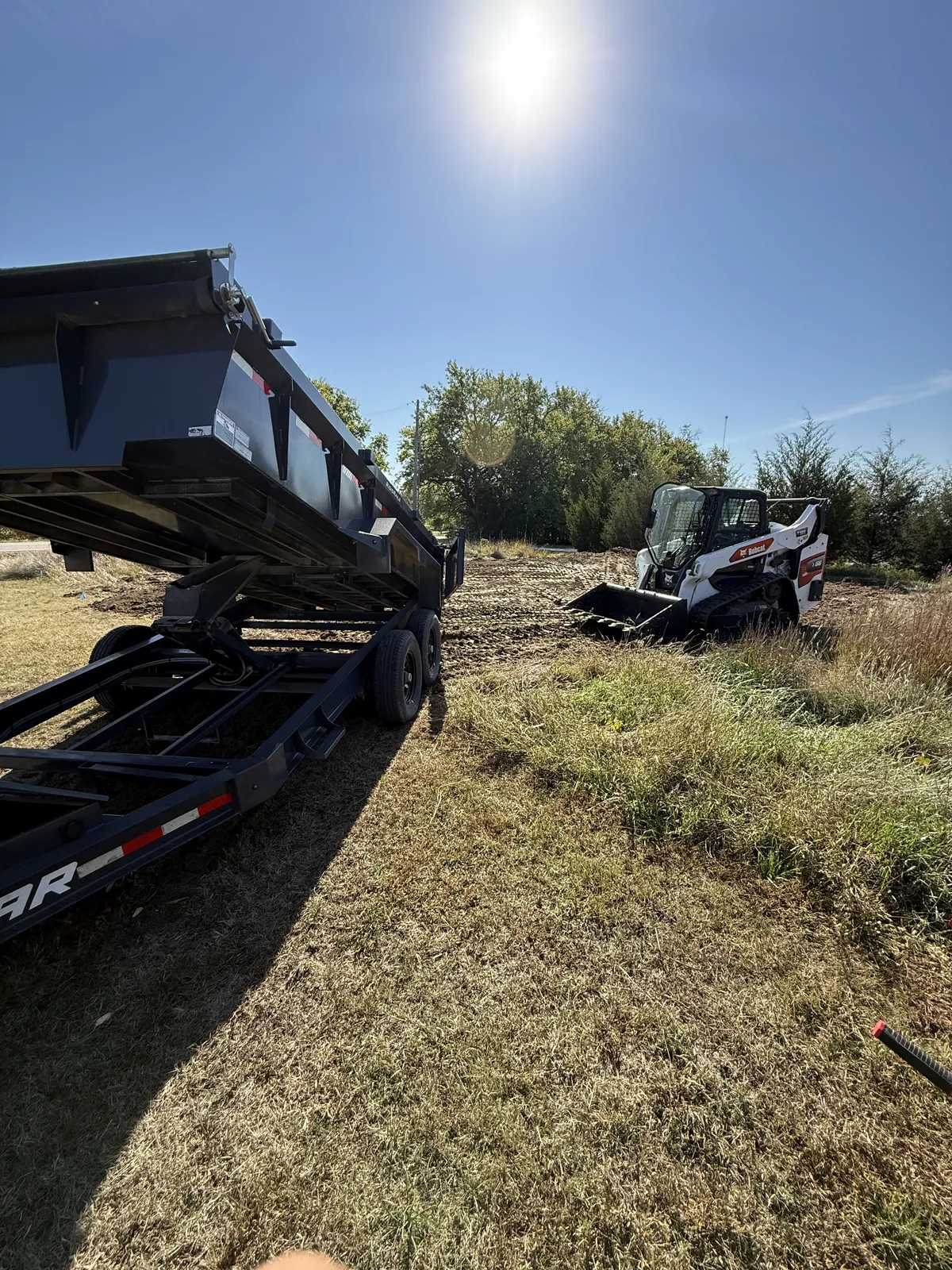
Pond digging creates a basin by excavating soil to form the planned pond footprint and depth. It can address a property that needs a new pond, uneven ground in the planned area, or earthwork that must be coordinated with broader site grading. The work may also include shaping cut slopes and forming a berm from suitable excavated material.
Every pond excavation has a different scope. The quote is assessed using the pond footprint, target depth, soil and ground conditions, equipment access, and the plan for placing or removing excavated material. Midwest corporations LLC bids the project, prepares the bid for acceptance, and then schedules the work based on the agreed scope.
02 — Quote by Material Placement And Site Shape
Plan The Basin And Excavated Material
A pond excavation is more than digging a hole. The basin, cut slopes, pond edges, and any berm must be considered together so the excavation matches the planned shape and the available working area. Ground conditions can affect how the pond is excavated and how the soil can be handled.
Excavated material may be placed elsewhere on the property when the material and site layout make that practical. If the pond produces more soil than the property can use, the project needs a separate plan for the excess material before digging begins. Equipment access around the pond also affects the work area and the excavation approach.
03 — What Changes The Excavation
Four Factors That Shape The Bid
Pond digging costs and scope are tied to the amount of earth moved and the conditions around the basin. These four items are reviewed when preparing the bid.
Approach
What Size Pond Are You Planning?
Pond size, excavation depth, and soil conditions are key factors in determining the scope of a pond digging project. Here's what each tier involves and how it affects earthmoving, equipment access, and material placement.
Small Pond
Small Pond Excavation
Ideal for smaller pond areas requiring controlled excavation, basin shaping, and limited soil movement.
Smaller footprints require less excavation work
Basin depth influences soil removal quantities
Equipment access affects excavation efficiency
Excavated material needs a designated placement area
Common for: small property ponds, backyard ponds, compact farm ponds, and landscape water features.
Medium Pond
Recreational Or Property Pond
Larger pond excavation involving deeper basins, additional soil movement, and coordinated surrounding terrain adjustments.
Wider basins require more extensive excavation
Side slopes influence pond shape and stability
Increased soil volumes require placement planning
Surrounding terrain affects excavation methods
Common for: recreational ponds, fishing ponds, farm ponds, and larger private property ponds.
Large Pond
Large-Scale Pond Excavation
Extensive pond digging involving substantial excavation, large soil volumes, and detailed basin and material placement planning.
Large footprints require significant earthmoving
Greater excavation depths increase project complexity
Spoil piles and berms require careful planning
Soil conditions influence excavation and slope design
Common for: large farm ponds, agricultural ponds, multi-acre ponds, and major property water features.
Material Handling
How Should Excavated Soil Be Handled?
ADVANTAGES
- Keeps suitable soil available on the property
- Can support a planned berm or grade change
- Reduces the need for a separate excess-material plan
CONSIDERATIONS
- Requires usable placement space on site
- Material suitability and final location must be assessed
Best for: This fits properties with room to use suitable excavated material in a planned berm, fill area, or grade change.
ADVANTAGES
- Accounts for soil beyond the usable on-site area
- Creates a clearer material-handling scope
- Helps avoid an improvised spoil pile location
CONSIDERATIONS
- Adds planning for material beyond the pond area
- The available removal or placement arrangement affects the bid
Best for: This fits larger excavations or properties where the pond produces more soil than the site can reasonably use.
Shape The Basin For Wichita Ground Conditions
Pond excavation in Wichita, Kansas, requires planning around seasonal weather, soil conditions, and site accessibility. Midwest Corporations LLC evaluates pond dimensions, basin slopes, equipment access, and excavated soil placement to determine the project scope and prepare an accurate bid.
Common Questions
FAQ
How is the size of a pond excavation estimated?
The excavation is estimated from the pond footprint, target depth, basin shape, and the slopes needed around the pond edges. Those dimensions help determine the approximate volume of soil to move and whether a berm or other on-site placement area is part of the scope.
Where can soil from pond digging be placed?
Suitable material may be placed elsewhere on the property if there is enough usable space and the location fits the site plan. Soil that cannot be used on site needs a separate plan for placement or removal before the excavation begins.
What access is needed for pond excavation equipment?
Equipment needs a workable route to the pond area and enough room to position, dig, turn, and move excavated material. Narrow approaches, uneven ground, soft areas, or nearby site features can restrict access and change the excavation plan.
How do soil conditions affect pond digging?
Soil conditions affect how the basin is excavated, how cut slopes are shaped, and how the material can be handled. Wet or difficult ground may require changes to equipment access, staging, and the planned work area.
Can pond digging be coordinated with other dirt work?
Yes. Pond excavation can be planned alongside broader site grading when the pond basin, surrounding grades, berm, and excavated material placement are considered together. The bid should identify which earthwork is included so the scope is clear before work starts.
Plan Your Dirt Work Project
Tell Midwest corporations LLC what needs to be graded, excavated, demolished, or dug. Request a free estimate so the project can be reviewed, bid, and planned around its actual site conditions.
Share Your Experience
If Midwest corporations LLC has completed work for you, share an honest review to help future customers understand what it is like to work with the company.
Dirt Work, Grading & Demolition — Wichita, KS and Surrounding Areas
Navigate
Services
Contact
Midwest corporations LLC
6221 S Greenwich Rd, Wichita, Kansas 67037
Monday-Friday 7-5


Service Area
Wichita, KS · Kingman, KS · Andover, KS · Derby, KS · Douglass, KS · Udall, KS · Winfield, KS
© 2026 Midwest corporations LLC · All rights reserved