Deep Dive
Grading in
Wichita, KS
Grading shapes and levels ground for a more usable, buildable site. Midwest corporations LLC provides grading work ranging from smaller property adjustments to mass grading projects.
01 — Quote By Site Conditions
Grading
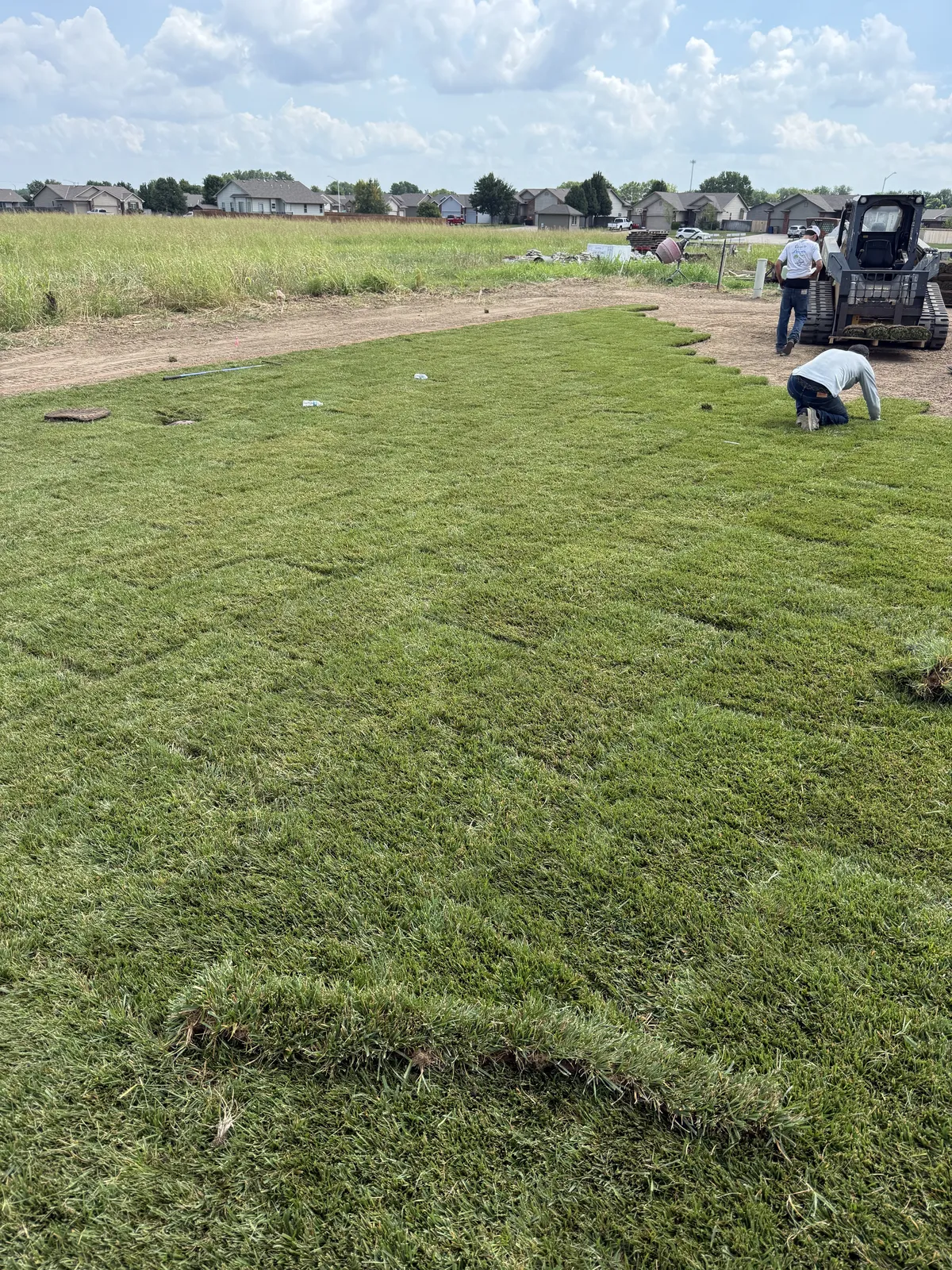
Grading reshapes soil to establish the elevations and slopes a site needs for construction or drainage. It can correct an uneven building area, reduce unwanted water collection, and prepare a property for its next phase. The work may include rough grade, fine grade, or mass grading depending on the site plan and the amount of material to move.
The scope starts with the area requiring grading, the existing grade, and the intended finished grade. Square footage or acreage, required elevation changes, soil and material balance, machine access, and separate work areas all affect the bid. Midwest corporations LLC reviews those conditions before writing a bid for the proposed work.
02 — Quote by Building Pad Elevations
Prepare The Building Area
A building pad needs more than a level-looking surface. Grading establishes the planned elevation, manages the slope around the pad, and creates the ground conditions required for the next construction phase. Existing grade, soil, cut-and-fill quantities, and access for equipment all shape the work.
A project may begin with rough grading to make the major cuts and fills, followed by fine grading where a tighter finished surface is required. The finished grade must match the project’s intended elevations and slope rather than simply following the property’s original contours. The bid accounts for how much material must be moved and where separate work areas are located.
03 — What Shapes The Bid
Four Grading Scope Factors
Grading bids are based on the ground that must be moved and the finished elevations the project requires. These four conditions can change the equipment access, material handling, and amount of work involved.
Approach
What Does Your Site Need?
The size of the grading area and the amount of elevation change help determine the scope of a grading project. Here's what each tier involves and how it affects soil movement, drainage planning, and site preparation.
Small Grade
Small Pad Or Yard Grade
Ideal for smaller areas needing surface leveling, minor slope adjustments, or preparation for a building pad.
Localized grading with limited soil movement
Minor elevation and slope corrections
Smaller areas typically require less equipment time
Existing drainage affects finished surface levels
Common for: small building pads, yard leveling, minor slope corrections, and localized grading.
Residential Site
Residential Site Grading
Prepares residential building areas through rough grading, elevation adjustments, and drainage slope preparation.
Grading across larger residential work areas
Rough and finish grading may both be required
Drainage slopes influence elevation adjustments
Soil conditions and access affect equipment needs
Common for: new home construction, residential building pads, yard preparation, and property drainage grading.
Commercial Scale
Commercial Mass Grading
Large-scale grading involving substantial cut-and-fill work, elevation changes, and preparation of commercial development sites.
Extensive earthmoving across large properties
Major cuts and fills require coordinated equipment
Multiple work zones increase grading complexity
Finished elevations must meet project specifications
Common for: commercial developments, industrial sites, large building pads, and multi-acre site preparation.
Grading Methods
Rough Grade Or Fine Grade?
ADVANTAGES
- Tighter finished surface
- Closer control of final elevations
- Useful after major cuts and fills
CONSIDERATIONS
- Requires a defined finished grade
- Surface conditions affect the final work
Best for: Fine grading is best for a prepared building area or site where the finished surface must closely follow the planned elevations.
ADVANTAGES
- Handles broad elevation changes
- Addresses larger cuts and fills
- Prepares multiple work areas
CONSIDERATIONS
- Needs room for equipment access
- Material balance affects the scope
Best for: Mass grading is best for larger residential or commercial sites that need major ground shaping before the next phase.
Grading In Wichita, KS And Nearby Communities
Midwest Corporations LLC provides grading services throughout Wichita, Kansas, and surrounding areas within a 45-mile radius. Seasonal weather, clay-heavy soils, and changing moisture levels can affect grading conditions. Each project is evaluated based on existing terrain, drainage needs, and finished elevation requirements to prepare an accurate bid.
Common Questions
FAQ
What is the difference between rough grading and fine grading?
Rough grading makes the major cuts and fills and brings the site close to its planned elevations. Fine grading makes more precise surface adjustments to reach the required finished grade and slope. A project may need one or both methods based on its plans and existing ground.
How are grade elevations established for a project?
The intended elevations and slopes come from the project requirements and the building or site plan. The existing grade is compared with those targets to determine where soil must be cut, filled, or shaped. The difference between existing and required elevations helps define the grading scope.
When is mass grading appropriate?
Mass grading is appropriate when a larger site requires substantial cuts, fills, or broad elevation changes. It is commonly used for commercial work and larger residential site preparation. The amount of ground involved, material balance, access, and number of work areas affect the bid.
What does a building pad require from a grading contractor?
A building pad requires the ground to be shaped to the planned elevation and prepared for the next construction phase. The scope may include rough grading, fine grading, slope work, and cut-and-fill adjustments. Existing grade, soil, access, and the required finished grade determine the work involved.
How can existing slopes affect a grading bid?
Existing slopes can increase the amount of cutting, filling, and material movement needed to reach the planned grade. They may also affect drainage slopes, equipment access, and the number of separate work areas. These conditions are reviewed when the project is measured and the bid is written.
Plan Your Dirt Work Project
Tell Midwest corporations LLC what needs to be graded, excavated, demolished, or dug. Request a free estimate so the project can be reviewed, bid, and planned around its actual site conditions.
Share Your Experience
If Midwest corporations LLC has completed work for you, share an honest review to help future customers understand what it is like to work with the company.
Dirt Work, Grading & Demolition — Wichita, KS and Surrounding Areas
Navigate
Services
Contact
Midwest corporations LLC
6221 S Greenwich Rd, Wichita, Kansas 67037
Monday-Friday 7-5


Service Area
Wichita, KS · Kingman, KS · Andover, KS · Derby, KS · Douglass, KS · Udall, KS · Winfield, KS
© 2026 Midwest corporations LLC · All rights reserved