Deep Dive
Land Clearing in
Wichita, KS
Land clearing in Wichita, Kansas opens overgrown ground for construction, pond areas, and other planned site work. Midwest corporations LLC assesses the vegetation, terrain, access, and material handling needs before the work is defined.
01 — Scope By Vegetation & Access
Land Clearing
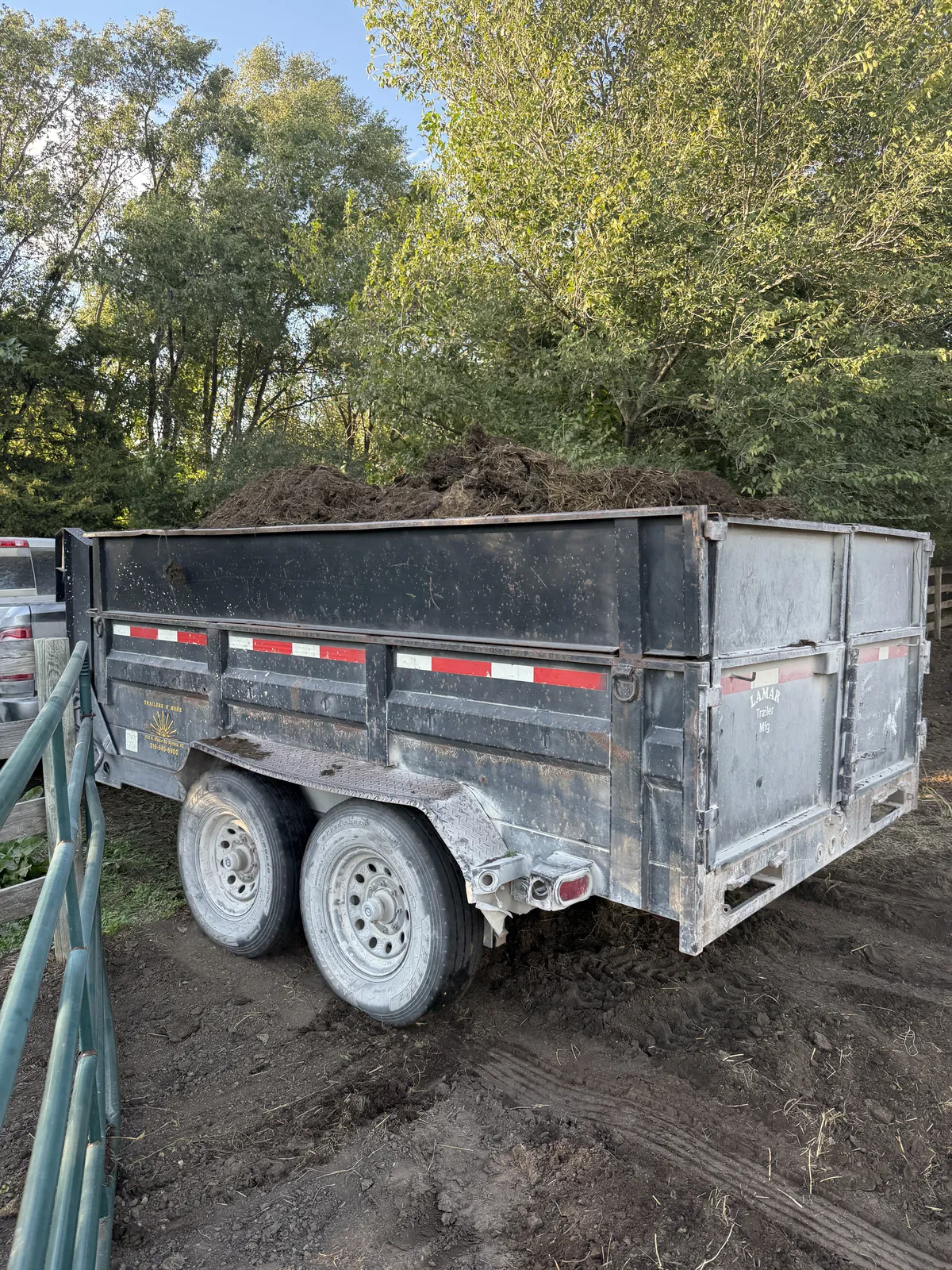
Land clearing removes trees, brush, underbrush, and other vegetation that block access or conceal the ground. It can open an overgrown area for construction, expose uneven ground and site obstacles, or prepare a building or pond area for the next phase of work. The clearing scope may include grubbing and stump removal when those needs are identified.
A clearing quote changes with the acreage, vegetation density, tree size, root systems, and site access. Slopes, wet areas, and tight approaches can affect how equipment reaches the work area. The property is assessed for what must be cleared, what should remain, and how the resulting material will be piled, chipped, hauled, or otherwise handled.
02 — Quote by Roots, Stumps & Hidden Ground
Clearing And Grubbing
Brush and tree removal may leave roots, stumps, and buried obstacles that still interfere with later earthwork. Grubbing addresses the below-ground material where it is included in the planned scope, while stump removal is evaluated based on tree size, root systems, access, and the intended use of the area.
Right-of-way clearing may call for a defined path through vegetation rather than clearing an entire property. A windrow, mulch pile, or debris pile can be placed according to the material-handling plan. Clear boundaries and known obstacles help establish what the equipment needs to reach and what ground conditions require special attention.
03 — What Changes The Scope
The Main Clearing Variables
Land clearing is planned around the material on the ground and the conditions underneath it. These four variables shape the equipment access, handling work, and overall clearing scope.
Approach
What Does Your Property Need Cleared?
Vegetation density, tree size, and terrain conditions are key factors in determining the scope of a land clearing project. Here's what each tier involves and how it affects equipment needs, debris handling, and site preparation.
Light Clearing
Brush And Limited Vegetation
Ideal for lightly overgrown areas requiring brush removal, vegetation clearing, and improved property access.
Light brush and smaller vegetation to remove
Minimal tree and stump removal requirements
Easier terrain allows more efficient equipment access
Lower debris volumes simplify material handling
Common for: overgrown yards, property edges, access paths, and small lot clearing.
Moderate Clearing
Wooded Or Overgrown Area
Clearing of wooded sections involving heavier vegetation, tree removal, and preparation for future property improvements.
Thicker vegetation requires additional clearing work
Larger trees and root systems increase complexity
Stump removal may require specialized equipment
Greater debris volumes require organized handling
Common for: wooded residential lots, building sites, property expansions, and overgrown acreage.
Dense Clearing
Large Or Difficult Terrain
Extensive clearing involving dense vegetation, challenging terrain, significant tree removal, and coordinated debris management.
Dense tree coverage increases clearing demands
Slopes and wet ground can restrict equipment movement
Extensive stump removal adds to project complexity
Large debris volumes require detailed disposal planning
Common for: heavily wooded acreage, commercial developments, difficult terrain, and large-scale site preparation.
Material Handling
How Should Cleared Material Be Handled?
ADVANTAGES
- Keeps material organized on the property
- Can reduce loose brush across the work area
- Supports a defined clearing boundary
CONSIDERATIONS
- Requires suitable space for a pile or windrow
- Pile placement must account for later site work
Best for: Projects with room for organized material storage and no immediate need to remove all cleared vegetation.
ADVANTAGES
- Leaves less cleared material on the property
- Can open more usable space after clearing
- Creates a defined material-handling plan
CONSIDERATIONS
- Access affects how material can be moved
- The amount of vegetation changes the handling scope
Best for: Properties where a mulch or debris pile is not suitable for the planned construction, pond area, or future earthwork.
Kansas Ground Conditions For Clearing
Land clearing in Wichita, Kansas, requires planning around seasonal weather, soil conditions, and uneven terrain. Midwest Corporations LLC evaluates vegetation density, tree and stump removal needs, equipment access, and debris handling options to determine the project scope and prepare an accurate bid.
Common Questions
FAQ
How much of the property needs to be marked before clearing?
The intended clearing boundaries should be identified before work is planned, including areas to remain untouched and any right-of-way clearing limits. Marking the work area helps define the acreage, protect retained vegetation, and show where equipment can operate.
Does land clearing include stump removal?
Stump removal can be included when it is part of the planned clearing scope. The need is assessed by looking at tree size, root systems, ground conditions, access, and how the cleared area will be used afterward.
What happens to trees and brush after they are cleared?
Cleared material can be piled, placed in a windrow, chipped, disposed of on the property, or removed from the property. The right option depends on available space, access, material volume, and what the property needs after clearing.
Can clearing be planned around steep or wet ground?
Yes, steep sections and wet areas are considered when the clearing area and equipment access are assessed. These conditions can change the work approach, the boundaries that are practical to clear, and the handling plan for trees, brush, and debris.
How does vegetation density change the clearing scope?
Light brush usually requires less material handling than dense woods or heavily overgrown ground. Density affects the amount of cutting, grubbing, stump work, and piling, chipping, disposal, or removal needed across the area.
Plan Your Dirt Work Project
Tell Midwest corporations LLC what needs to be graded, excavated, demolished, or dug. Request a free estimate so the project can be reviewed, bid, and planned around its actual site conditions.
Share Your Experience
If Midwest corporations LLC has completed work for you, share an honest review to help future customers understand what it is like to work with the company.
Dirt Work, Grading & Demolition — Wichita, KS and Surrounding Areas
Navigate
Services
Contact
Midwest corporations LLC
6221 S Greenwich Rd, Wichita, Kansas 67037
Monday-Friday 7-5


Service Area
Wichita, KS · Kingman, KS · Andover, KS · Derby, KS · Douglass, KS · Udall, KS · Winfield, KS
© 2026 Midwest corporations LLC · All rights reserved