Deep Dive
Demolition in
Wichita, KS
Demolition removes a building or other structure so the property can be cleared for its next phase. The scope is based on what must come down, site access, and the conditions around the structure.
01 — Quote By Structure & Access
Demolition
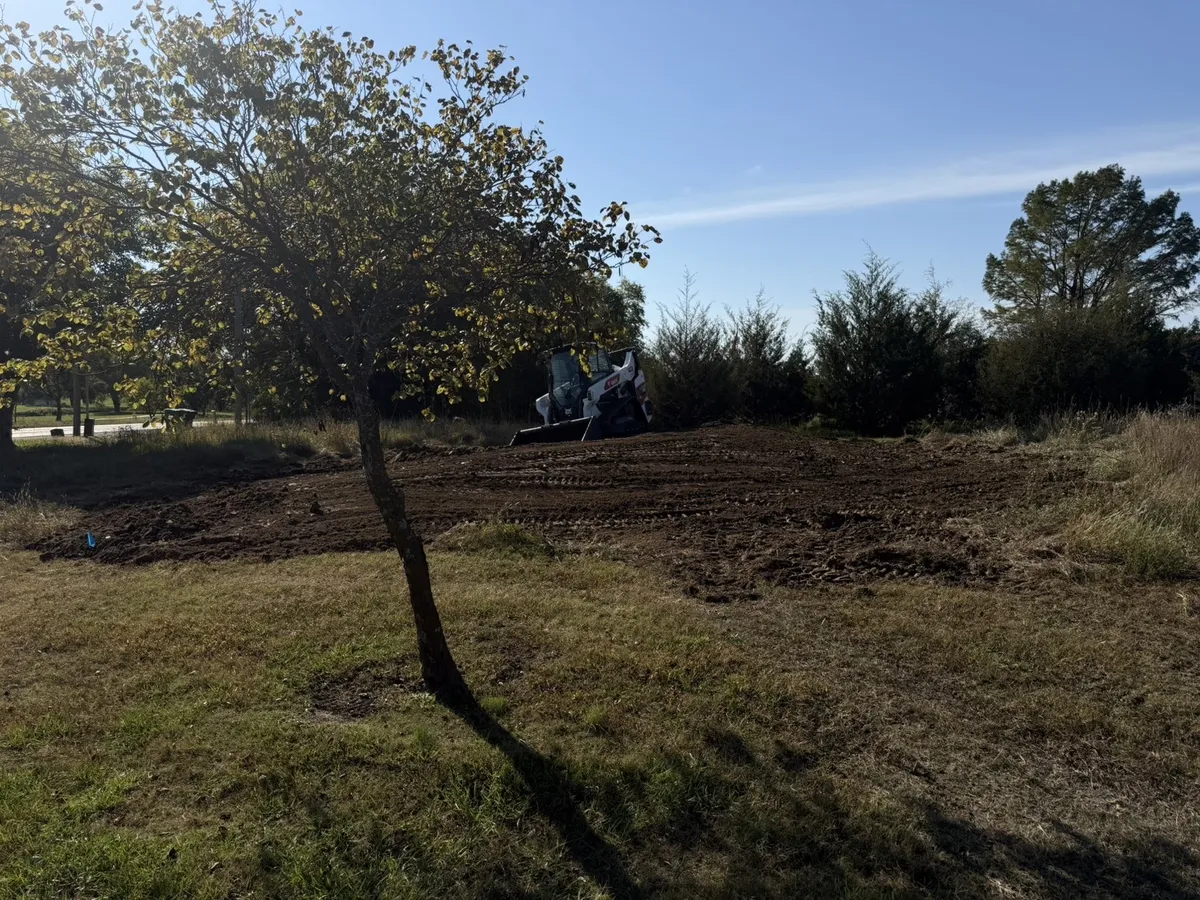
Demolition removes an unwanted structure, damaged building, or obstruction from a property. The work can clear a building footprint before grading or excavation and create space for planned construction. Midwest corporations LLC provides demolition for residential and commercial properties in and around Wichita, Kansas.
Every project is different. The quote considers the structure’s size and construction type, access around the work zone, connections to adjacent structures and site features, and the amount and type of material requiring handling. The process starts with a project review, followed by a written bid for approval before work begins.
02 — Quote by Full Removal Or Targeted Work
Structural And Selective Demolition
Full structural demolition removes the building as a whole, including its main load-bearing elements, when the entire structure needs to come down. Mechanical demolition must be planned around the work zone, building footprint, access points, and nearby features. The construction type affects how the structure is approached and handled.
Selective demolition removes only specified portions of a building. This can apply when part of a structure must remain or when a defined section is obstructing grading or excavation. The scope must identify the portions to remove and the connections that need careful assessment before bidding.
03 — QUOTE BY Scope, Access & Material
What Changes The Demolition Quote?
A demolition bid reflects the structure itself and the conditions around it. These four variables can change the equipment access, handling requirements, and amount of work involved.
Approach
Which Demolition Scope Fits The Property?
The size, construction type, and accessibility of a structure are key factors in planning demolition work. Here’s what each tier involves and how it affects equipment needs, material handling, and project complexity.
Small Structure
Small Detached Structure
Ideal for smaller standalone structures requiring controlled demolition, material removal, and basic site cleanup.
Smaller structures with limited demolition requirements
Clear separation from surrounding buildings
Material type affects equipment and disposal needs
Generally the most straightforward demolition tier
Common for: detached garages, sheds, small barns, and storage buildings.
Single Building
Single-Building Demolition
Removal of a primary building involving structural demolition, debris handling, and coordinated site access.
Complete removal of one primary structure
Building materials influence demolition methods
Utility connections require review before work begins
Larger debris volumes increase hauling requirements
Common for: residential houses, standalone commercial buildings, workshops, and older structures.
Complex Removal
Large Or Complex Building Demolition
Extensive demolition involving larger structures, restricted access, or complicated building layouts and materials.
Larger buildings may require specialized equipment
Connected sections increase demolition complexity
Restricted access affects machinery and debris removal
Structural conditions require detailed project planning
Common for: large commercial buildings, industrial structures, connected buildings, and multi-section facilities.
Small Structure
Small Detached Structure
Ideal for smaller standalone structures requiring controlled demolition, material removal, and basic site cleanup.
Smaller structures with limited demolition requirements
Clear separation from surrounding buildings
Material type affects equipment and disposal needs
Generally the most straightforward demolition tier
Common for: detached garages, sheds, small barns, and storage buildings.
Single Building
Single-Building Demolition
Shingle roofs with noticeable black streaks, recurring algae, and multiple sections showing discoloration.
Complete removal of one primary structure
Building materials influence demolition methods
Utility connections require review before work begins
Larger debris volumes increase hauling requirements
Common for: residential houses, standalone commercial buildings, workshops, and older structures.
Complex Removal
Large Or Complex Building Demolition
Extensive demolition involving larger structures, restricted access, or complicated building layouts and materials.
Larger buildings may require specialized equipment
Connected sections increase demolition complexity
Restricted access affects machinery and debris removal
Structural conditions require detailed project planning
Common for: large commercial buildings, industrial structures, connected buildings, and multi-section facilities.
Demolition Methods
Full Removal Or Selective Demolition?
ADVANTAGES
- Clears the complete structure
- Removes the full building footprint
- Fits total site clearance needs
CONSIDERATIONS
- Requires access around the full structure
- Material volume can increase the scope
Best for: This suits a property where an unwanted or damaged building must be removed in its entirety.
ADVANTAGES
- Preserves specified portions
- Targets a defined obstruction
- Can support phased site work
CONSIDERATIONS
- Requires clear limits for removal
- Adjacent connections affect the scope
Best for: This suits a property where only part of a building obstructs planned grading, excavation, or future work.
Demolition In Wichita, KS
Demolition projects in Wichita, Kansas, require careful planning around weather, soil conditions, building type, and site access. A thorough site review helps identify structural features, nearby obstacles, and debris handling needs before preparing an accurate project bid.
Common Questions
FAQ
What information is needed to bid a demolition project?
The bid needs the structure’s location, approximate size, construction type, and the portions to be removed. Access around the building, connections to adjacent structures, nearby site features, and the amount and type of material requiring handling also affect the scope.
How close can demolition work be performed to an adjacent structure?
That depends on the separation between the structures, how they are connected, access around the work zone, and the construction involved. The bid must account for shared or connected elements before determining the practical demolition scope.
Can only part of a building be demolished?
Yes, selective demolition can remove specified portions while other portions remain. The scope should identify the exact sections, separation points, connected elements, and work-zone limits before the bid is prepared.
What site conditions can make building demolition more involved?
Restricted access, connected structures, nearby site features, difficult work-zone layout, and the amount or type of material requiring handling can add complexity. The building’s size and construction type also affect the demolition approach.
How should a property be prepared before demolition begins?
Identify the structure to be removed, clear personal property from the work area, and make access around the building available for review. Point out adjacent structures and site features so they can be considered in the written bid and work-zone planning.
Plan Your Dirt Work Project
Tell Midwest corporations LLC what needs to be graded, excavated, demolished, or dug. Request a free estimate so the project can be reviewed, bid, and planned around its actual site conditions.
Share Your Experience
If Midwest corporations LLC has completed work for you, share an honest review to help future customers understand what it is like to work with the company.
Dirt Work, Grading & Demolition — Wichita, KS and Surrounding Areas
Navigate
Services
Contact
Midwest corporations LLC
6221 S Greenwich Rd, Wichita, Kansas 67037
Monday-Friday 7-5


Service Area
Wichita, KS · Kingman, KS · Andover, KS · Derby, KS · Douglass, KS · Udall, KS · Winfield, KS
© 2026 Midwest corporations LLC · All rights reserved