Deep Dive
Excavation in
Wichita, KS
Wichita excavation for foundation areas, trenches, basins, and other planned cuts in the ground. Midwest corporations LLC evaluates depth, soil movement, and equipment access so the excavation scope is clear before work begins.
01 — Scope By Depth & Soil Movement
Excavation
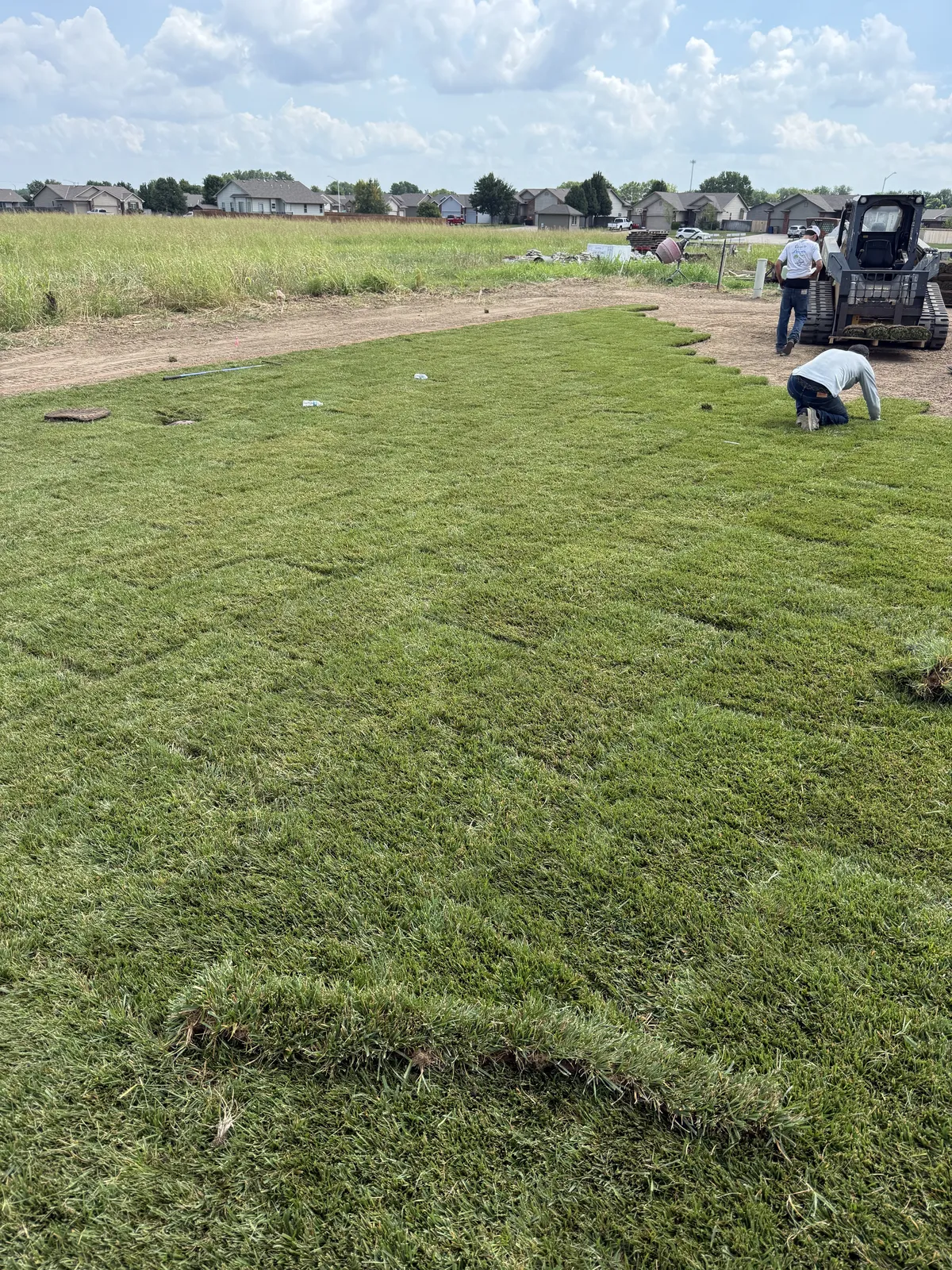
Excavation removes soil to create a foundation area, trench, basin, or other planned space below existing grade. It can also address ground that sits too high for proposed construction or site work. The finished cut depends on the required dimensions, depth, subgrade, and how the removed soil will be handled.
Each excavation is assessed around site conditions and the work area. Soil type, rock, groundwater, unstable areas, equipment access, working clearance, spoil placement, hauling, and backfill can all change the scope. A free estimate can account for the excavation dimensions and the material movement required for the project.
02 — Quote by Depth, Access & Spoil Placement
Planned Cuts With Clear Soil Handling
A trench or foundation excavation needs a defined excavation face and enough room for equipment to work safely within the site layout. Benching may be considered where the depth and soil conditions call for a stepped excavation profile. Tight access can make digging and soil movement more involved, especially when a spoil pile cannot remain beside the cut.
Removed soil needs a placement plan before excavation begins. Open excavation may leave suitable spoil on site when space and site conditions allow, while staged work can involve moving material away from the active area. If the scope includes backfill, the required material placement and final subgrade should be identified as part of the excavation plan.
03 — Four Scope Drivers
What Changes The Excavation Scope?
Excavation is planned around the cut itself and the conditions around it. These four factors affect the work area, material handling, and equipment approach.
Approach
What Does Your Excavation Need?
Excavation depth, soil volume, and site accessibility are key factors in determining the scope of an excavation project. Here's what each tier involves and how it affects equipment needs, soil handling, and site preparation.
Small Scope
Localized Excavation
Ideal for smaller areas requiring limited digging, shallow trenches, or targeted soil removal.
Limited excavation within a defined work area
Smaller soil volumes simplify material handling
Accessible locations allow easier equipment movement
Excavation depth influences digging requirements
Common for: shallow trenches, small utility cuts, drainage improvements, and localized digging.
Planned Cut
Foundation Or Feature Excavation
Excavation for planned structures or site features requiring specific dimensions, depths, and soil removal.
Defined excavation depths and dimensions
Foundation layouts require accurate digging
Soil stability affects excavation methods
Removed material requires organized placement
Common for: building foundations, utility installations, basement excavations, and structural footings.
Large Movement
Large-Scale Excavation
Extensive excavation involving significant soil removal, larger work areas, and coordinated material handling.
Large soil volumes increase equipment demands
Deeper cuts may require additional safety measures
Spoil placement and hauling need detailed planning
Subgrade preparation and backfill affect project scope
Common for: commercial foundations, major site excavation, large construction projects, and extensive earth removal.
Material Handling Options
How Should Excavated Soil Be Managed?
ADVANTAGES
- Keeps suitable soil on the property
- Reduces off-site material handling
- Works where open space is available
CONSIDERATIONS
- Requires adequate room for a spoil pile
- Placed soil may need later grading or movement
Best for: Projects with available on-site space and soil that can remain clear of the excavation and working area.
ADVANTAGES
- Maintains a clearer active work area
- Helps manage limited site space
- Supports staged excavation sequences
CONSIDERATIONS
- Adds hauling and handling coordination
- Requires a defined plan for removed material
Best for: Tight sites or larger cuts where keeping excavated soil on the property would restrict access or construction space.
Excavation In Wichita, Kansas
Excavation in Wichita, Kansas, requires planning around soil conditions, seasonal moisture, and site accessibility. Midwest Corporations LLC evaluates excavation depth, equipment clearance, spoil placement, and subgrade requirements to determine the project scope and prepare an accurate bid throughout its 45-mile service area.
Common Questions
FAQ
How deep can an excavation be planned?
The planned depth is based on the purpose of the excavation, required dimensions, soil conditions, equipment access, and available working clearance. Foundation areas, trenches, and basins can have different depth and layout requirements. The proposed depth should be identified before the scope is assessed.
What happens to soil removed from an excavation?
Excavated soil may be placed in an approved area on site when space and conditions allow. If a spoil pile would restrict access or the property lacks room, the work may be staged with off-site material handling. The estimate should identify placement, hauling, and any backfill requirements.
How do soil conditions affect excavation work?
Soil type, rock, groundwater, and unstable areas can change how the excavation face is managed and how equipment reaches the cut. These conditions may also affect benching, spoil placement, and the condition of the subgrade. They should be considered when the dimensions and depth are reviewed.
What access is needed for excavation equipment?
Equipment needs a workable route to the excavation and enough clearance to dig, turn, and move soil. Narrow entrances, nearby structures, overhead limitations, or limited staging space can make the work more involved. Access conditions should be discussed before selecting the excavation approach.
When is backfill part of an excavation scope?
Backfill is part of the scope when material must be placed back into an excavation after the planned work is complete. The requirements depend on the area being filled, the material available, and the desired subgrade. If backfill is needed, it should be included when the excavation dimensions and material handling are reviewed.
Plan Your Dirt Work Project
Tell Midwest corporations LLC what needs to be graded, excavated, demolished, or dug. Request a free estimate so the project can be reviewed, bid, and planned around its actual site conditions.
Share Your Experience
If Midwest corporations LLC has completed work for you, share an honest review to help future customers understand what it is like to work with the company.
Dirt Work, Grading & Demolition — Wichita, KS and Surrounding Areas
Navigate
Services
Contact
Midwest corporations LLC
6221 S Greenwich Rd, Wichita, Kansas 67037
Monday-Friday 7-5


Service Area
Wichita, KS · Kingman, KS · Andover, KS · Derby, KS · Douglass, KS · Udall, KS · Winfield, KS
© 2026 Midwest corporations LLC · All rights reserved